
Can Cats Eat Soy Sauce
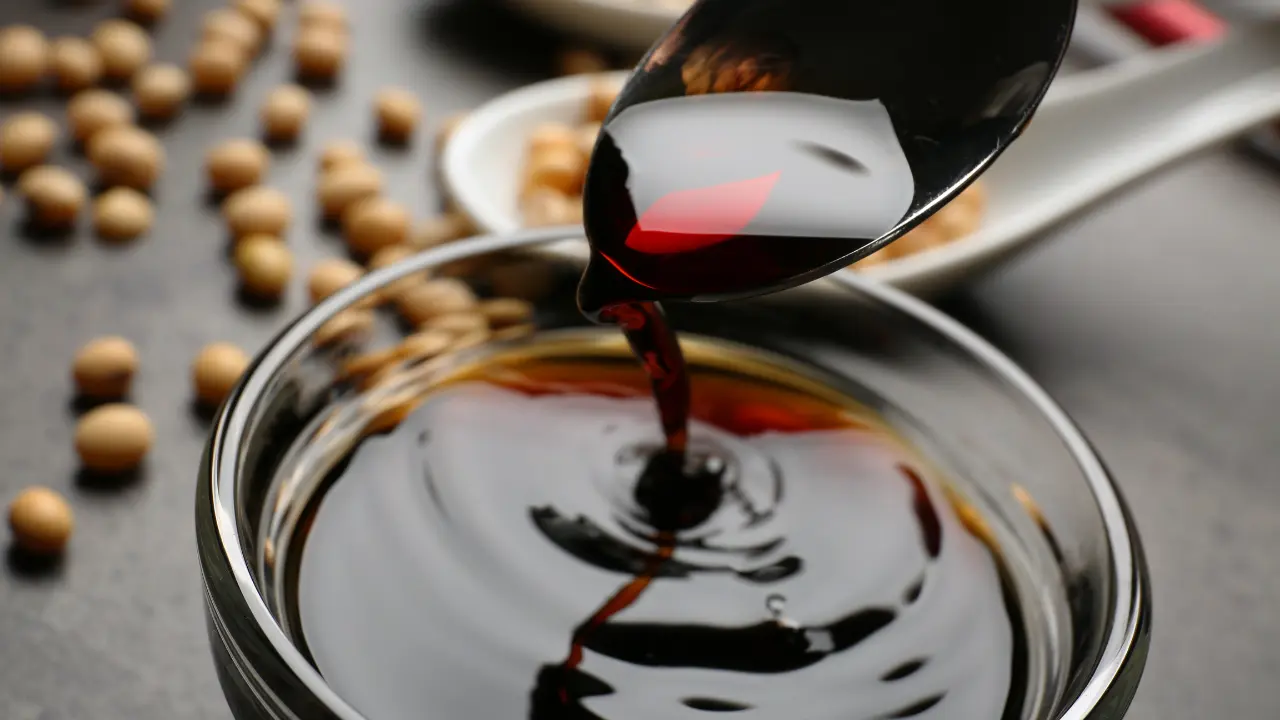
Let’s start with the basics. Soy sauce is a salty, fermented condiment made primarily from soybeans, roasted grains such as wheat, and of course salt. Soy Sauce is commonly used in many cuisines because of its rich and savory flavor but that doesn’t mean we can give it to cats. Many pet owners often come to us with the question “Can cats each soy sauce”. Cats have very different nutritional needs from humans. Most cat owners know that human foods aren’t always cat-friendly especially salty or spicy condiments.
So, the answer to your question is that soy sauce isn’t recommended for cats because it’s super high in sodium. Even small amounts can lead to health problems if your cat is sensitive or if it happens too often.
Soy Sauce Is Full Of Sodium
Cats are carnivores which means their bodies are specialized to process the nutrients found in meat. They do need some sodium in their diets, but only in precise and moderate amounts. Commercial cat foods carefully control these levels to avoid any imbalance.
However, soy sauce is full of sodium. If cats eat soy sauce regularly or consume it in excessive amounts, it can shock their systems and cause dehydration, increase thirst, and overwork their kidneys. If a cat licks a little spilled soy sauce off the floor, they might be fine. However repeated exposures or a larger quantity could lead to serious concerns like high blood pressure or in severe cases, poisoning.
How To Identify If Your Cat Has Consumed Excessive Soy Sauce
As you already know that soy sauce is full of sodium, therefore, if your cat has eaten soy sauce in excessive amounts, they might show extreme thirst or excessive water consumption. Along with this symptom, they also show symptoms like vomiting or diarrhea.
Lethargicness and discomfort are also common. Cats stop eating when they have consumed excessive sodium and in very severe cases, you may experience them having seizures as well.
If you see your cat with the combination of the symptoms above, you must take your cat to your vet as quickly as possible.
Why Cats Can’t Eat Soy Sauce
Soy sauce is made from fermented soybeans and it’s full of salt/sodium. Cats aren’t typically fed soybean-based products, and while soy can appear in some cat foods in small, processed forms, it’s never the star ingredient. Cats have complex metabolisms which are completely different from humans, they’re not ideal for consuming foods like soy and wheat.
Some soy sauces contain colorants or flavor enhancers monosodium glutamate. While these might not kill your cat instantly, they’re not beneficial in the long term. Lastly, soy sauce is a fermented product and any fermented food can carry elements that might irritate a cat’s stomach if they’re not used to it.
To give you a better idea of how soy sauce can mess with a cat’s health, check out the table below.
| Health Concern | Cause | Possible Signs |
| Sodium Poisoning | Too much salt intake from soy sauce | Vomiting, diarrhea, lethargy, confusion, or even seizures |
| Kidney Stress | High sodium forces kidneys to work overtime | Increased thirst, frequent urination, appetite loss |
| Hypertension | Prolonged exposure to excessive salt levels | High blood pressure, potential heart complications |
| Gastrointestinal Upset | Fermented soybeans, preservatives, wheat, etc. | Bloating, gas, diarrhea, vomiting, stomach discomfort |
Soy Sauce Nutrients And Calorie Count
Below is a quick table that has a nutritional breakdown of soy sauce contents. These numbers are for 1 tablespoon. The exact value may vary depending upon the different brands but this table below would give you an idea.
| Nutrient | Approximate Amount |
| Calories | 10-15 kcal |
| Sodium | ~900-1000 mg |
| Carbohydrates | ~1-2 g |
| Protein | ~1-2 g |
| Fat | < 1 g |
For a cat, 900-1000 mg of sodium is huge compared to their small bodies. That’s why even a teaspoon can be too much.
What If Your Cat Accidentally Ate Soy Sauce?
If your cat only had a tiny taste, they’re probably not in immediate danger. But you’ll still want to keep an eye on them for any unusual behavior. Try to look out for vomiting, diarrhea, drooling, or if your cat seems unusually thirsty. Lastly, if you see any symptoms you must contact your pet and let them know the complete situation so they can tackle it accordingly.
Why Cats Don’t Need Human Condiments
It’s very common for us pet owners to give a portion of our food to our cats. However, we need to understand the fact that cats are carnivores. Their bodies are designed to consume meat-based nutrients and not flavorings such as sauces as well as wheat and soy based products.
The statement above is a clear answer to your question, “can cats eat soy sauce”. We know how much you love your pet so instead of giving them food items like soy sauce give them a better treat such as boiled chicken or fish. They will love it and it benefits their well-being as well.
The risk-to-reward of sauces and flavors in cat items isn’t good enough. The risk is their life and the reward is the taste.
Cat-Friendly Alternatives To Soy Sauce
Since you know the answer to your question “can cats eat soy sauce”. Here are safer alternatives to spice up their meals:
- Low-Sodium Chicken Broth: Look for a broth labeled cat-friendly or low-sodium, with no onions.
- Tuna Water: Draining water-packed tuna can be used as a treat. Some cats adore that fishy taste.
- Cat Gravies: Pet stores often sell tasty gravies that are formulated for a cat’s health and digestion.
- Freeze-Dried Meat Toppings: Bits of freeze-dried chicken, turkey, or salmon can add flavor and texture to your cat’s meals.
Conclusion
If you’ve seen a cat eating soy sauce and showing no immediate signs, the real damage could be happening internally, especially in the kidneys. Can cats eat soy sauce? Not at all. Avoiding soy sauce is a pretty straightforward way to keep your cat healthy. They simply don’t need the extra salt and the potential complications aren’t worth the risk. Keep their diet meat-focused, moderately salted, and consult with your vet if you ever have specific questions about what’s safe for your cat to eat.

